
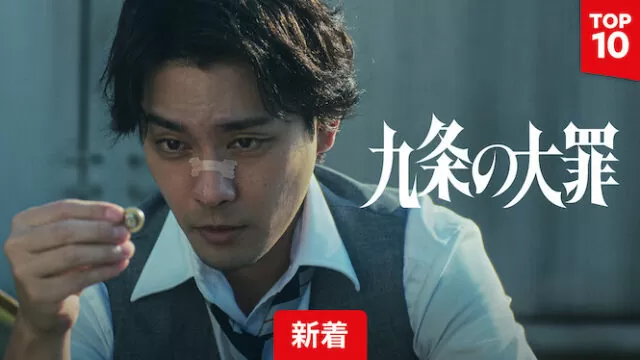
Netflix’s “Kujo no Taizai” (九条の大罪): Learn Real Japanese Through a Lawyer Drama
- Netflixドラマ『九条の大罪』で、教科書にない日本語を学びましょう
- What Is This Drama About? — どんなドラマ?
- Kujo’s Iconic Lines — 九条の名セリフを学ぼう
- 1.「性格の悪い弁護士です」“I’m a lawyer with a bad personality.”
- 2.「いい弁護士は性格が悪い」“A good lawyer has a bad personality.”
- 3.「完黙(かんもく)」Kanmoku — “Complete silence”
- 4.「20日でパイ(になる)」“Pai in 20 days” — Released without charges after 20 days
- 5.「この世は死ぬまでの暇つぶし」“Life is just killing time until you die.”
- 6.「法律は万能ではない。ただのツールだ」“The law is not almighty. It’s just a tool.”
- How to Watch for Maximum Learning — 効率的な視聴方法
- Let’s Discuss! — 一緒に話しましょう!
- Let’s talk about it in our next lesson!
Netflixドラマ『九条の大罪』で、教科書にない日本語を学びましょう
Hi everyone! It’s EBI.
Have you been watching anything good on Netflix lately? Today, I’d like to introduce a drama that I think is perfect for Japanese learners — especially if you want to go beyond textbook Japanese and learn how people actually speak in real life.
みなさん、こんにちは。EBIです。
最近、Netflixで何か面白いもの見ていますか? 今日は、日本語学習者にぴったりのドラマを紹介したいと思います。教科書の日本語から一歩先に進みたい方には、特におすすめですよ。
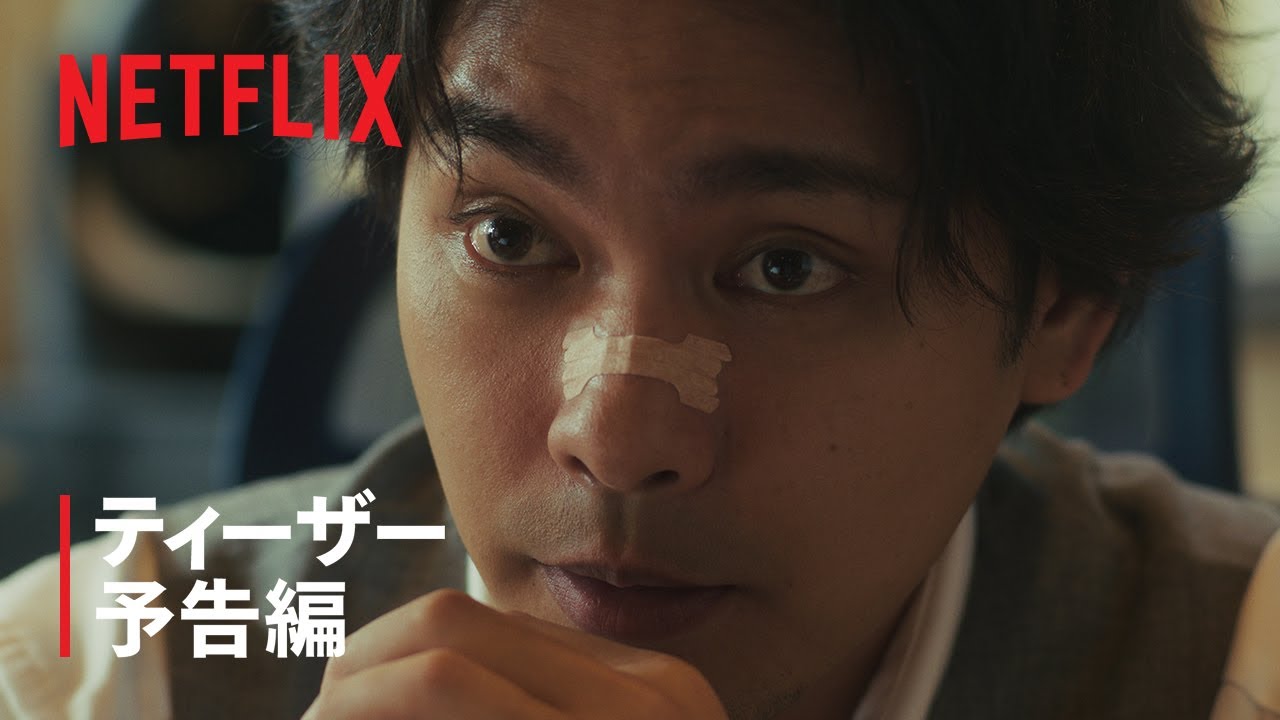
The drama is called 『九条の大罪』(Kujo no Taizai) — which translates to “The Sins of Kujo.”
What Is This Drama About? — どんなドラマ?
Before we look at the language, let me explain the story first. Without understanding the plot, the words and phrases won’t make much sense!
まず、言葉を学ぶ前に、ストーリーを説明しますね。話の流れがわからないと、フレーズだけ見ても意味がわかりませんから。
The Story — あらすじ
Kujo Taiza (九条間人) is a criminal defense lawyer (刑事弁護士 / keiji bengoshi) working in the busy streets of Osaka. But he’s not your typical lawyer.
九条間人(くじょう たいざ)は、大阪の街で働く刑事弁護士です。でも、普通の弁護士ではありません。
His clients are not ordinary people. They are members of organized crime groups (暴力団 / boryokudan), con artists (詐欺師 / sagishi), and people living on the margins of society — the kind of people most lawyers would refuse to represent. But Kujo takes their cases without hesitation.
彼の依頼人(いらいにん / clients)は、暴力団のメンバーや詐欺師、社会の端で生きている人たちです。ほとんどの弁護士が断るような依頼人ですが、九条はためらうことなく引き受けます。
Why? Not because he agrees with what they’ve done. He believes in one simple principle: everyone — no matter who they are or what they’ve done — deserves a legal defense. That’s his job, and he does it with cold precision.
なぜでしょうか? 彼らの行いに賛成しているからではありません。九条はひとつのシンプルな信念を持っています。「誰であっても、何をしていても、法的な弁護を受ける権利がある。」それが自分の仕事であり、冷徹なまでの正確さでそれをやり遂げるのです。
Who Is Kujo? — 九条間人という男
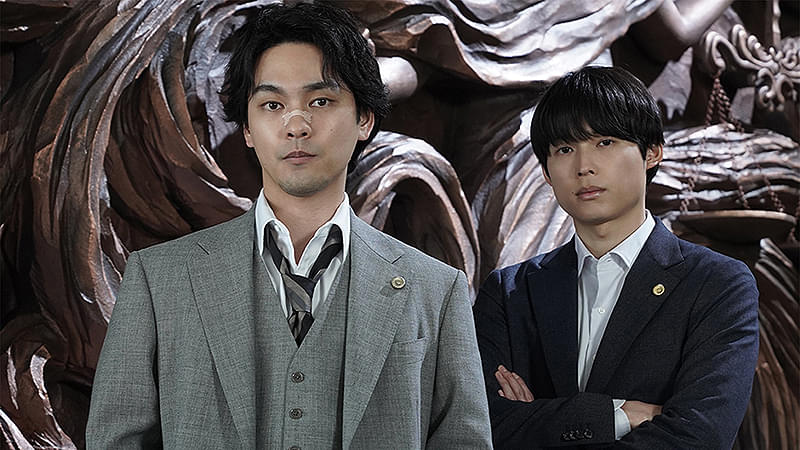
Kujo is a fascinating character. He doesn’t shout, he doesn’t get emotional, and he rarely smiles. He speaks in a low, calm voice, choosing every word carefully. In a world full of chaos and violence, he remains perfectly still — like the eye of a storm.
九条はとても魅力的なキャラクターです。叫ばない、感情的にならない、めったに笑わない。低く落ち着いた声で、ひとつひとつの言葉を慎重に選んで話します。混沌と暴力に満ちた世界の中で、彼だけが完全に静かです。まるで嵐の目のように。
But don’t mistake his calmness for kindness. Kujo is ruthless in his methods. He uses every legal trick available to protect his clients — even if it means letting guilty people go free. He doesn’t judge his clients. He doesn’t ask if they’re innocent. He simply does his job.
でも、彼の冷静さを優しさと間違えないでください。九条のやり方は容赦がありません。依頼人を守るために、使えるあらゆる法的テクニックを駆使します。たとえそれが、罪を犯した人を自由にすることを意味しても。依頼人を裁かない。無実かどうかも聞かない。ただ、自分の仕事をするだけです。
This is what makes the drama so compelling — you’re never quite sure if Kujo is a hero or a villain. And that moral ambiguity is what keeps you watching.
これがこのドラマの最大の魅力です。九条がヒーローなのか悪役なのか、最後までわからない。その道徳的なあいまいさが、視聴者を引きつけて離しません。
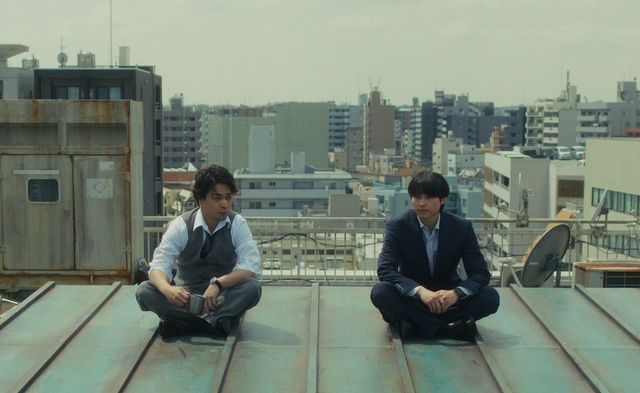
The World of the Drama — ドラマの舞台
The story is set in the streets and courtrooms of Osaka. Unlike the clean, polished image of Japan that many people have, this drama shows you a different side: the world of organized crime, poverty, discrimination, and people who have been forgotten by society.
ドラマの舞台は大阪の街と法廷です。多くの人が持っている「きれいで洗練された日本」のイメージとは違い、このドラマは別の顔を見せてくれます。組織犯罪、貧困、差別、そして社会から忘れられた人たちの世界です。
Each episode presents a different case — a different client with a different problem. Through these cases, you learn not only about Japan’s legal system, but also about the social issues that exist beneath the surface of everyday life. Topics like domestic violence (DV / ドメスティック・バイオレンス), online fraud (ネット詐欺 / netto sagi), immigration problems, and the cycle of poverty are all explored with honesty and depth.
各エピソードでは、異なる事件——異なる問題を抱えた異なる依頼人——が描かれます。これらの事件を通じて、日本の法制度だけでなく、日常生活の表面の下に存在する社会問題についても学ぶことができます。家庭内暴力(DV)、ネット詐欺、外国人問題、貧困の連鎖など、さまざまなテーマが正直かつ深く描かれています。
The Big Question — ドラマが問いかけるもの
At its core, the drama asks a very uncomfortable question: Is it wrong to protect “bad” people?
このドラマの核心には、とても居心地の悪い問いがあります。「“悪い人”を守ることは、間違っていることなのか?」
If a lawyer knows their client is guilty, should they still fight to get them released? Is that justice, or is it the opposite of justice? Where do you draw the line between “following the law” and “doing the right thing”?
もし弁護士が、依頼人が有罪だと知っていたら、それでも釈放のために戦うべきでしょうか? それは正義なのか、それとも正義の反対なのか? 「法律に従うこと」と「正しいことをすること」の境界線は、どこにあるのでしょうか?
These are the questions that make this drama unforgettable. And as a Japanese learner, thinking about these questions in Japanese is an incredibly powerful way to develop your language skills.
こうした問いが、このドラマを忘れられないものにしています。そして日本語学習者として、これらの問いを日本語で考えること自体が、言語力を高めるとても強力な方法になります。
Why Is It Good for Japanese Learners? — なぜ日本語学習に良いの?
There are three main reasons I recommend this drama to my students:
このドラマを生徒さんたちにおすすめする理由は、主に3つあります。
- Two types of Japanese in one drama. Kujo speaks calm, polished, formal Japanese. His clients speak rough, emotional, street-level Japanese. You can hear both styles side by side and understand how Japanese changes depending on who is speaking.
(ひとつのドラマで2種類の日本語が聞ける。 九条は冷静で丁寧なフォーマルな日本語を話します。依頼人たちは荒っぽく感情的な日本語を話します。両方のスタイルを同時に聞くことができ、話す人によって日本語がどう変わるかを理解できます。) - Real vocabulary that textbooks skip. Legal terms, slang, abbreviations — things that Japanese people actually use in daily life but that never appear in JLPT study materials. This is the kind of Japanese you need if you want to truly understand movies, news, and real conversations.
(教科書には載っていないリアルな語彙が学べる。 法律用語、スラング、略語など、日本人が日常的に使っているのにJLPTの教材には出てこない言葉がたくさんあります。映画やニュース、実際の会話を本当に理解したいなら、こういう日本語が必要です。) - Deep cultural context. This drama shows you a side of Japan that tourism brochures and textbooks don’t cover — the justice system, social inequality, and moral gray areas. Understanding these topics will give you a much richer perspective on Japanese society.
(深い文化的な背景が理解できる。 観光パンフレットや教科書では触れられない日本の一面——司法制度、社会的格差、道徳のグレーゾーン——を見ることができます。これらのテーマを理解することで、日本社会に対するずっと豊かな視点が得られます。)
Want to master this kind of real Japanese?
教科書にはない「生きた日本語」を、EBI先生のレッスンで学びませんか?
📅 Book a Lesson with EBIKujo’s Iconic Lines — 九条の名セリフを学ぼう
Now that you understand the story, let’s dive into some of the most memorable lines from the drama. Each one teaches us something valuable about Japanese language and culture.
ストーリーがわかったところで、ドラマの中で特に印象的なセリフを見ていきましょう。それぞれのセリフから、日本語と日本文化について大切なことが学べます。
1.「性格の悪い弁護士です」“I’m a lawyer with a bad personality.”
This is how Kujo introduces himself. In Japanese culture, self-introductions (自己紹介 / jiko-shokai) are very important, and people usually try to make a good impression. But Kujo does the opposite — he openly admits his “flaw” right away.
これは九条の自己紹介です。日本文化では、自己紹介(じこしょうかい)はとても大切で、普通は良い印象を与えようとします。でも九条は逆のことをします。最初から自分の「欠点」を堂々と認めるのです。
言語ポイント: 「〜です」という丁寧な形を使っていることに注目してください。内容は攻めているのに、文法は完璧に丁寧。丁寧な文法と大胆な内容のコントラストは、日本語ではとてもよく使われるテクニックです。特にビジネスの場面で多いですよ。
2.「いい弁護士は性格が悪い」“A good lawyer has a bad personality.”
This line builds on the first one. Kujo is not just describing himself — he’s making a general statement about his profession. He’s saying: to be a good lawyer, you need to be a little ruthless.
このセリフは最初のセリフの延長線上にあります。九条は自分のことだけを言っているのではなく、自分の職業についての一般論を述べています。つまり、「良い弁護士になるためには、少し冷酷である必要がある」と言っているのです。
言語ポイント: この文は逆説(ぎゃくせつ / paradox)を使っています。「いい(good)」と「悪い(bad)」は反対の意味ですが、九条はそれをひとつの文に入れて、私たちの常識をひっくり返します。こういう文を日本語で作れるようになったら、かなり上級レベルの表現力です。
3.「完黙(かんもく)」Kanmoku — “Complete silence”
Full form: 完全黙秘(かんぜんもくひ) = Complete refusal to speak
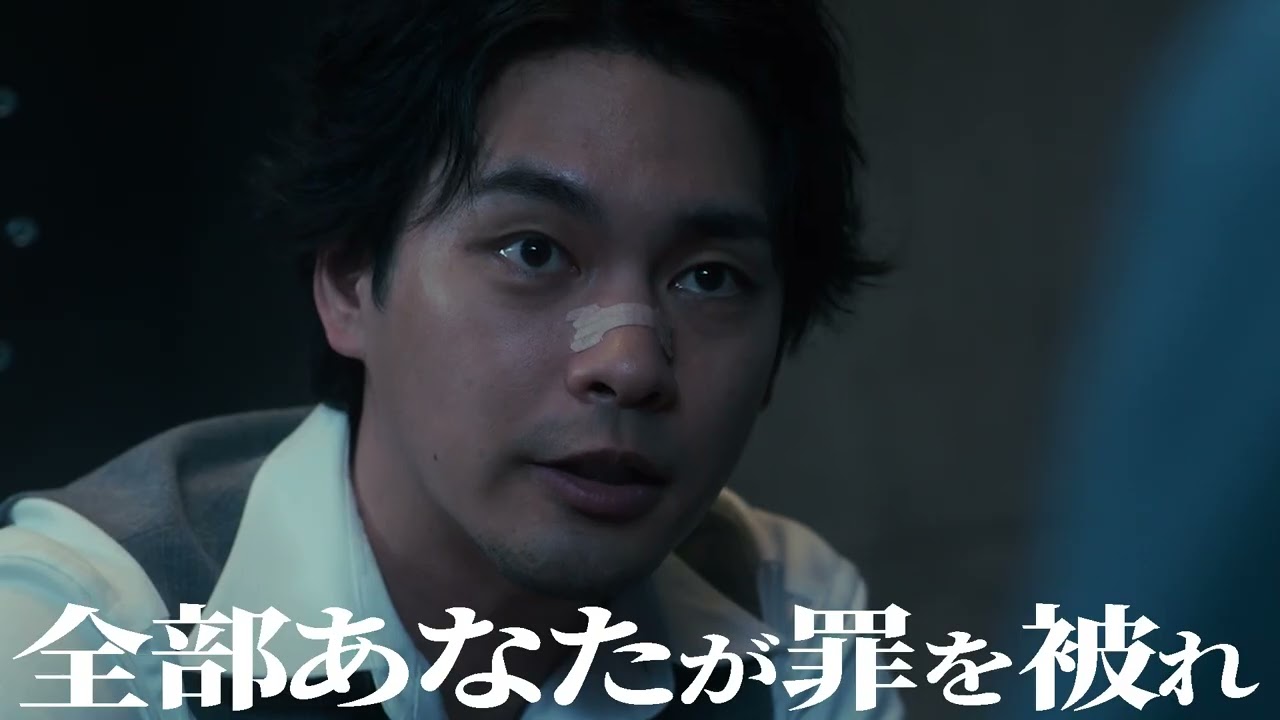
This is the first instruction Kujo gives to his clients when they are arrested: 「完黙しろ」(Kanmoku shiro) — “Stay completely silent.” It’s an order. Don’t answer any questions from the police. Say nothing.
これは、依頼人が逮捕された時に九条が最初に出す指示です。「完黙しろ(かんもくしろ)」——「完全に黙りなさい」という命令です。警察の質問には何も答えるな。何も言うな。
– コンビニ ← コンビニエンスストア (convenience store)
– スマホ ← スマートフォン (smartphone)
– 就活(しゅうかつ)← 就職活動 (job hunting)
言語ポイント: 日本語では長い言葉を短くする文化があります。「完黙」は「完全黙秘」の略語で、コンビニやスマホと同じ仕組みです。こういった略語を理解できるようになると、自然な会話がずっと聞き取りやすくなりますよ。
💡 EBI’s Tip: When a Japanese person starts using abbreviations with you in conversation, it’s actually a sign that they see you as an “insider.” Understanding abbreviations helps you connect with people on a deeper level.
💡 EBIのアドバイス: 日本人が会話の中であなたに略語を使い始めたら、それは実はあなたを「仲間」だと認めているサインです。略語を理解することで、人とのつながりがもっと深くなりますよ。
4.「20日でパイ(になる)」“Pai in 20 days” — Released without charges after 20 days
This is one of the most fascinating phrases in the drama, and it perfectly represents Kujo’s approach to defense.
これはドラマの中で最も興味深いフレーズのひとつで、九条の弁護スタイルをそのまま表しています。
Here’s the background: In Japan’s criminal justice system, after someone is arrested, the police and prosecutors have a maximum of 20 days (勾留期間 / kouryu kikan) to build their case. If they can’t gather enough evidence to formally charge the suspect within those 20 days, the suspect must be released.
背景を説明します。日本の刑事司法制度では、逮捕後、警察と検察は最大20日間(勾留期間 / こうりゅうきかん)で事件を組み立てなければなりません。20日以内に容疑者を正式に起訴できる十分な証拠を集められなければ、容疑者は釈放されなければなりません。
Kujo’s strategy is to keep his clients silent (“完黙”), prevent the prosecution from building their case, and wait out the 20 days. When the client is released, that’s called 「パイになる」.
九条の戦略は、依頼人を黙らせ(「完黙」)、検察が事件を組み立てるのを防ぎ、20日が過ぎるのを待つことです。依頼人が釈放されること、それが「パイになる」です。
Where does “パイ (pai)” come from? It comes from the mathematical symbol π (pi), which represents a circle. The idea is that things “come full circle” (まるく収まる / maruku osamaru) — meaning the situation is resolved peacefully, without charges.
「パイ」はどこから来ているのでしょうか? 数学の記号 π(パイ)、つまり円を表す記号から来ています。物事が「まるく収まる」、つまり起訴されずに穏やかに解決するという意味です。
💡 Cultural Note: This kind of clever wordplay is very common in Japanese professional jargon. Even in serious fields like law, Japanese people find ways to add a touch of creativity and humor to their language.
💡 文化メモ: このような巧みな言葉遊びは、日本の専門用語ではとてもよくあることです。法律のような真面目な分野でも、日本人は言葉に創造性やユーモアを加える方法を見つけます。こういった面を楽しめるようになると、日本文化の理解がさらに深まりますよ。
5.「この世は死ぬまでの暇つぶし」“Life is just killing time until you die.”
This might be the most shocking line in the entire drama. It reveals Kujo’s nihilistic (虚無的 / kyomu-teki) philosophy about life.
これはドラマ全体の中で最も衝撃的なセリフかもしれません。九条の虚無的(きょむてき / nihilistic)な人生観が表れています。
– この世 (kono yo) = this world / this life (この世界 / この人生)
– 死ぬまで (shinu made) = until you die (死ぬときまで)
– 暇つぶし (hima-tsubushi) = killing time (時間をつぶすこと)
Language Point: 「暇つぶし」is a word you probably already know. You might use it casually — “Let’s watch a movie to kill time” (暇つぶしに映画でも見よう). But when Kujo uses this everyday word to describe life itself, it suddenly becomes very heavy and philosophical. The same word can feel completely different depending on who says it and in what context.
言語ポイント: 「暇つぶし」は、みなさんもう知っている言葉かもしれませんね。「暇つぶしに映画でも見よう」のように、軽い場面で使うことが多いです。でも九条がこの日常的な言葉を人生そのものを表すために使うと、突然とても重く哲学的な響きを持ちます。同じ言葉でも、誰がどんな場面で使うかで、まったく違う印象になる。 これは日本語のもっとも美しく、同時にもっとも難しい一面です。
6.「法律は万能ではない。ただのツールだ」“The law is not almighty. It’s just a tool.”
This line shows another side of Kujo’s philosophy. Even though he’s a lawyer, he doesn’t worship the law. He sees it clearly for what it is.
このセリフは、九条の哲学のもうひとつの側面を見せてくれます。弁護士でありながら、法律を崇拝していない。法律の本質を冷静に見つめています。
– 万能(ばんのう / almighty):「万 (man)」means 10,000 and「能 (nou)」means ability. Literally, “having 10,000 abilities” = being able to do everything.
– ツール (tsuuru / tool): This is a loanword from English. Using it instead of the Japanese word「道具 (dougu)」gives the sentence a more modern, detached feeling.
Language Point: Pay attention to 「〜ではない」(de wa nai). In textbooks, you learn 「〜じゃありません」(ja arimasen) as the polite negative form. But「〜ではない」is more formal, more direct, and carries much more weight. When you want to make a strong, decisive statement, use「〜ではない」.
言語ポイント: 「〜ではない」に注目してください。教科書では丁寧な否定形として「〜じゃありません」を学びますが、「〜ではない」のほうがよりフォーマルで、より直接的で、ずっと重みがあります。強く決然としたことを言いたいときには「〜ではない」を使いましょう。
How to Watch for Maximum Learning — 効率的な視聴方法
Now that you know the key phrases, here are my recommended steps for watching this drama as a learning tool.
キーフレーズがわかったところで、このドラマを学習ツールとして見るためのおすすめのステップを紹介します。
Step 1: Watch with English subtitles firstまず英語字幕で見る
Enjoy the story without worrying too much about understanding every word. Get a feel for the characters and the plot.
まずはすべての言葉を理解しようと心配しすぎずに、ストーリーを楽しんでください。キャラクターとストーリーの雰囲気をつかみましょう。
Step 2: Re-watch key scenes with Japanese subtitles気になるシーンを日本語字幕で見直す
Go back to scenes that impressed you and turn on Japanese subtitles. Try to read along and identify the phrases we discussed above.
印象に残ったシーンに戻り、日本語字幕をつけて見てみましょう。上で紹介したフレーズを見つけてみてください。
Step 3: Try shadowing Kujo’s lines九条のセリフをシャドーイングしてみる
Pick a line you like and try repeating it with the same tone, speed, and pauses. Kujo speaks slowly and deliberately — this is actually a great model for Japanese learners.
気に入ったセリフを選んで、同じトーン、スピード、間(ま)で繰り返してみましょう。九条はゆっくりと意図的に話します。実はこれは日本語学習者にとって素晴らしいお手本なのです。
覚えておいてください: ゆっくりはっきり話すことは、能力が低いということではありません。日本語では、むしろ自信と知性のサインです。九条はエピソードごとにそれを証明しています。
Let’s Discuss! — 一緒に話しましょう!
“Kujo no Taizai” is not just entertainment. It’s a window into the real Japan — its legal system, its social challenges, and the way Japanese people use language to navigate complex situations.
『九条の大罪』はただのエンターテイメントではありません。本当の日本——その司法制度、社会的な課題、そして日本人が複雑な状況を乗り越えるために言葉をどう使うか——を見せてくれる窓です。
If you watch this drama and want to talk about it, I’d love to discuss it with you in our next lesson! Questions like “Do people really use 完黙 in real life?” or “How does the Japanese legal system actually work?” — these are exactly the kinds of conversations that will take your Japanese to the next level.
このドラマを見て話したいと思ったら、ぜひ次のレッスンで一緒にディスカッションしましょう! 「完黙って本当に使うの?」「日本の司法制度は実際どう動いてるの?」——こういった会話こそが、あなたの日本語を次のレベルに引き上げてくれます。
📺 “Kujo no Taizai” is now streaming exclusively on Netflix.
『九条の大罪』はNetflixで独占配信中です。
Let’s talk about it in our next lesson!
「このドラマについてもっと話したい!」「このフレーズ、本当に使えるの?」
そんな疑問や感想を、レッスンのトピックとしてお待ちしています。

コメント
こんにちは、これはコメントです。
コメントの承認、編集、削除を始めるにはダッシュボードの「コメント」画面にアクセスしてください。
コメントのアバターは「Gravatar」から取得されます。